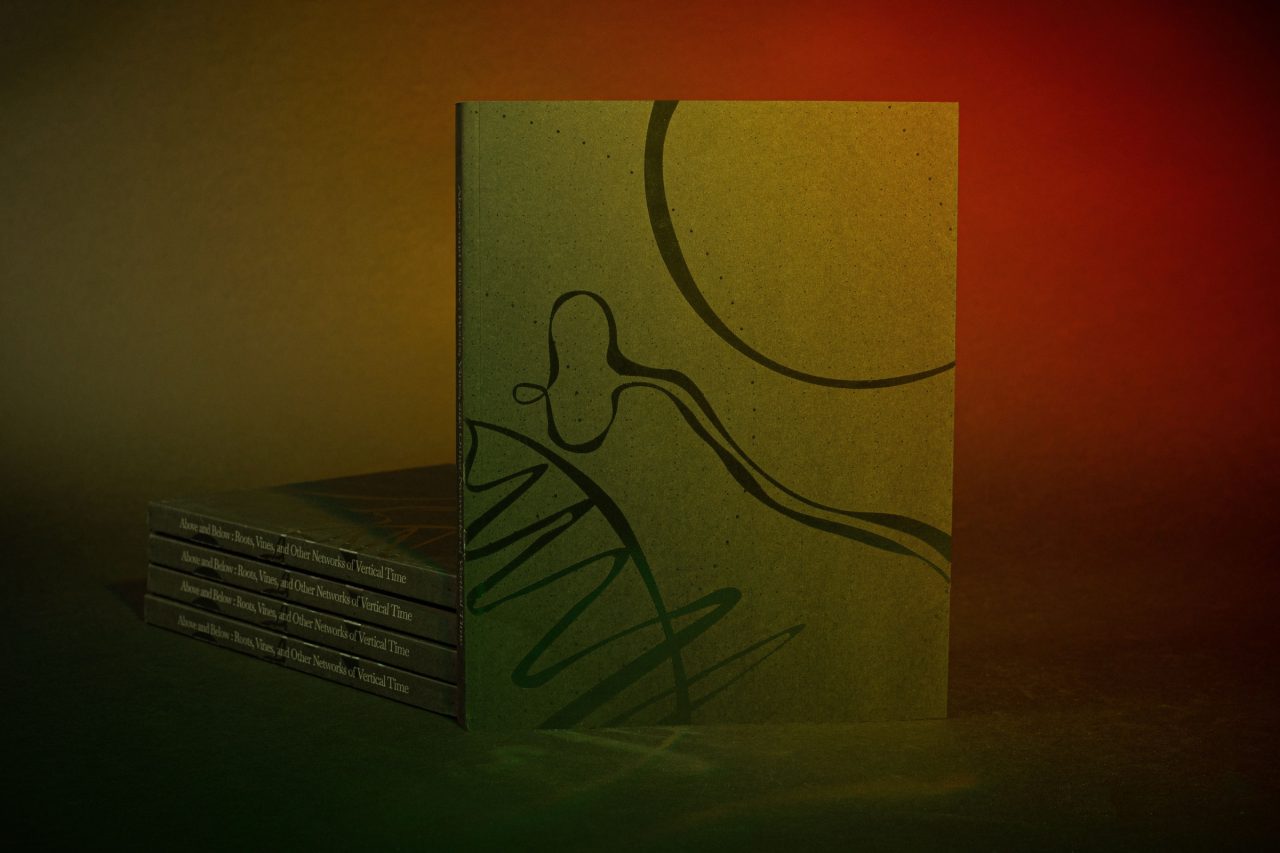
Reclaiming Animism by Isabelle Stengers
"Against the insistent poisoned passion of dismembering and demystifying, it affirms that which they all require in order not to enslave us: that we are not alone in the world."
Type
Citations
By
Mari Bastashevski
About
In this stunning text, Isabelle Stengers claims that one can get situated in this world or another and safely transcend their own borders and actually do magic, rather than just claim a magical moment, but then she also decides to stay and write from exactly the position she is in, upon acknowledging this opportunity. Stengers is an avid reader of Whitehead and the different aspects of transcendence as a form of producing and multiplying possibilities is present in most of her work.
Stengers situates herself within the colonial inheritance of Western philosophy and the unfortunately exclusionary relationship it has with Western Science. She is refusing the possibility of unhoming herself, which would allow her to speak about animism from a place of more neutrality or even sympathy. Eg she does not become an indigenous artist or a mad scientist, she remains a western philosopher…identifying what is possible from this position, which is also why i find it educational for our group. The core commitments in her argument is structurally dependent on staying on her side of the divide rather than performing an act of transcendence.
The essay’s topic is not science, and relationship it has to art, per se, but what Stengers calls Science with a capital S, The Epic narrative of disenchantment that has translated genuine, heterogeneous scientific achievements into dry hegemonically rational papers that take upon themselves the arrogant right to claim with determinism what really exists and what’s false.
She distinguished this sharply the act of doing “sciences” (plural, lowercase) which is always positioned as adventurous, situated practices…These experimental modes produce achievements because they allow and are capable of constantly putting the original at risk and are open to more questions. This is consistent with Stengers reading of Whitehead which is a production of the question. Her claim is precise: we may relate to scientific objectivity in this way or another and we may position the philosopher and artist in opposition to, but that view of objectivity is also not rootless and is in its own right a very creative art of making some things seem more real than others.
Links